Table of Contents
If you’ve ever wondered why your home-blended drinks don’t have that thick, velvety texture you get at a high-end smoothie bar, the secret isn’t the blender—it’s the temperature.
Using frozen fruit for smoothies is the single best way to achieve a rich and satisfying consistency without diluting the flavor with ice. But fresh ingredients still have their place in crafting the perfect smoothie.
So, let’s take a deep dive into the art of the deep freeze and discuss fresh vs frozen smoothies, what kinds of fruits and veggies you can freeze, and how to freeze and store smoothies.
Fresh vs. Frozen Fruit for Smoothies: Which is Better?
If you’re standing in the produce aisle wondering, “Is frozen fruit better for smoothies?”, the answer depends a bit on your goals…but there is a clear favorite for many smoothie lovers.
The Case for Frozen Fruit
- The Texture (The “Chill Factor”): Frozen ingredients act as a natural emulsifier. They give your smoothie a thick, creamy, ice-cream-like texture that is impossible to achieve with fresh fruit alone.
- No More Watered-Down Blends: When you use frozen ingredients, you don’t need to add ice to get that frosty feel. Ice cubes often create a gritty texture and water down the flavor as they melt.
- Nutrition: Believe it or not, frozen fruit is often more nutrient-dense than fresh. Why? Because it’s flash-frozen at peak ripeness. Studies have shown that freezing fruit can lock in vitamins and pack higher levels of antioxidants. Fresh fruit can lose nutrients during its long journey from the farm to your grocery store shelf.
- Convenience and Waste Reduction: You don’t have to worry about ingredients spoiling when they’re frozen. It’s easy for fresh fruit to go bad before you have a chance to use it. Buying pre-frozen bags or freezing fresh fruit yourself helps reduce waste, and it’s an easy way to meal prep custom ingredient mixes that make blending a breeze.

The Case for Fresh Fruit
- Vibrant Flavor: Fresh, seasonal fruit (like a just-picked summer peach) has a bright, nuanced flavor that freezing can slightly dull.
- Juice-Like Consistency: If you prefer a thinner, more refreshing “juice” style drink, fresh is the way to go.
The truth is, there really isn’t a right or wrong way to go. If you like it juicy, are sensitive to cold drinks, and want to avoid brain freeze, fresh is best. There are still ways to achieve a thick consistency. Try using a frozen banana to get substance without an overpowering chill, or add thickeners like Greek yogurt, oats, or avocado.
But, if you want to get the classic smoothie consistency found at smoothie bars and cafes, go with frozen for a majority of the fruits and veggies that make up the recipe.
Want a run-down on everything that goes into making the perfect smoothie?
Check out our Ultimate Guide to Making Smoothies!
All About Freezing Smoothie Ingredients
Freezing ingredients not only impacts the texture – making it more akin to a frosty treat – but can also intensify the flavor of your smoothie, as frozen fruits and veggies can taste sweeter and more concentrated when preserved at peak ripeness. The result is a smoothie that’s not just a drink but an experience – refreshing, filling, and packed with flavor.
You basically have two options for incorporating frozen ingredients into your smoothie: Store-bought bags of frozen fruit, or freezing fresh fruit yourself
Buying frozen is super convenient, and the cost is the same or sometimes cheaper than fresh fruit, depending on where you live.
But the selection in the freezer aisle can be limited to a few common ingredients such as berries, bananas, tropical blends, and spinach. That’s why buying fresh ingredients, especially in bulk or when they’re in season, and then freezing them at home can save you money and create a lot more variety in the smoothie recipes you make.
The Best Ingredients to Freeze for Smoothies

Deciding which frozen ingredients to use has a big impact on customizing the nutrition and texture of your smoothie.
The Creamy Bases: Bananas & Beyond
Frozen Bananas are the quintessential smoothie ingredient. When frozen, they add an irresistible creaminess, depth of flavor, and sweetness that ties all of the other ingredients together.
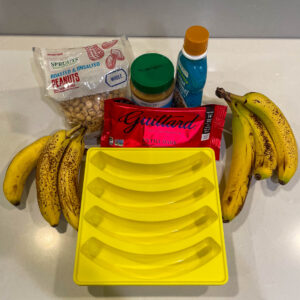
Pro Tip: Let your bananas get super ripe and then freeze them for extra sweetness. It’ll make your blends taste like a delicious shake, but healthier. Consider freezing them in a reusable silicone container like the Smootheeze banana freezer tray.
Avocados are another great frozen ingredient that will give your smoothie a super thick and creamy consistency. A quarter or half an avocado is the perfect amount for any recipe. It’s also a great way to get a smooth, filling blend without using any dairy.
- How to Freeze: Scoop out ripe avocado into ice cube trays or half-cup Smootheeze silicone trays for perfect ingredient portions that are easy to pop into the blender.
The Antioxidant Powerhouse: Berries
Berries are the most popular frozen fruit for smoothies. There are so many recipes that feature berries as the main ingredient due to their wonderful taste and superior health benefits. They’re relatively low in calories and are packed with vitamins, antioxidants, and fiber. The flavors range from sweet to tart.
Go Beyond the Berry
There are many wonderful ingredients beyond berries that you can freeze for smoothies.
- Tropical Fruits: You can typically find pineapples and mangos already frozen, but there are so many more options in the fresh aisle. Papaya, melons, and watermelon make for great smoothies, and you can get so much out of each fruit. Buying whole tropical fruits to prep and freeze is a super economical way to make large batches of smoothies.
- Stone Fruits: Buy in bulk when they’re in season. It’s a wonderful way to enjoy some of them fresh and then freeze to not let any go to waste. Stone fruits often have delicate flesh that can bruise and spoil fast—preserve that seasonal goodness by freezing them.
For a deeper dive into picking the right produce, check out our guide on
Leafy Greens: Spinach and Kale

We highly recommend freezing leafy greens like spinach and kale to extend their shelf life and increase consumption. Freezing breaks down the cell walls, preventing “leafy bits” in your blended smoothie. Simply rinse and pack them into a container, such as the 1/2 cup Smootheeze tray, without cooking first.
Fresh greens to freeze:
- Spinach
- Kale
- Wheatgrass
- Microgreens
- Carrot tops or beet tops
- Swiss chard
Veggies
Many veggies are great in smoothies but are often overlooked compared to more common berry and tropical recipes. You can buy bags of pre-frozen veggies to add to smoothies with minimal effort, but this will often cost more than buying fresh and freezing in bulk.
Some of our favorite veggie smoothie ingredients include:
- Cauliflower: A “secret” ingredient that adds incredible thickness and fiber without changing the flavor.
- Sweet Potato: They add a touch of sweetness and make blends super creamy. Microwave or bake to soften and then roughly chop before adding them to a reusable container for freezing.
- Carrots: They’re naturally sweet, mild in flavor, and incredibly versatile, especially when blended with fruit.
- Beets: An incredibly versatile and nutritious ingredient that pairs well with berries. They add a subtle, earthy flavor that goes great with spices like cinnamon, ginger, and cardamom.
What About Liquids?
While liquid bases for smoothies can technically be frozen, it is generally not recommended, as too many frozen ingredients prevent proper blending. Pour chilled liquids (water, milk, etc.) directly into the blender.
Exceptions include freezing fruit juices to extend their shelf life and freezing coffee or tea for energizing frappe-style smoothies. Canned coconut milk or cream is also an exception; open the can and portion the contents (e.g., in a Smootheeze tray) before freezing to streamline prep and add richness.
How to Freeze Fruit for Smoothies: 3 Proven Methods

Freezing smoothie ingredients is an excellent way to effortlessly maintain a healthy routine. To create perfect, ready-to-blend portions without them turning into a solid block of ice, there are three primary methods for meal prepping your smoothies.
1. The Smootheeze Method (Best for Speed & Portions)
Using 100% platinum silicone Smootheeze freezer trays is the gold standard for convenience. It’s one of the best freezer containers based on its quality and durability.
- Step 1: Prep your fruit (wash, peel, slice).
- Step 2: Pack the fruit into the 1/2 cup compartments or banana tray
- Step 3: Pop on the airtight lid and freeze.
- Why it works: You get perfectly portioned 1/2 cup cubes that pop right out. No clumping, no plastic bags, and no freezer burn.
2. The Baking Sheet Method (The "Flash Freeze")
- Step 1: Arrange fruit slices in a single layer on a parchment-lined baking sheet.
- Step 2: Freeze for 4–5 hours until solid.
- Step 3: Transfer to a freezer-safe bag. Try using a reusable container to reduce plastic waste.
- The Downside: It takes up a lot of freezer space and requires multiple steps.
3. The DIY Smoothie Pack
- Step 1: Combine all your main ingredients (fruit, greens, veggies, and add-ins) into a single reusable silicone bag or plastic bag.
- Step 2: Add the contents to the blender along with a liquid base.
- The Downside: Ingredients often freeze together into one large brick, which can be hard on your blender blades.
Ready to blend up some magic?
Check out The Ultimate Collection of Timeless Smoothie Recipes
and take your smoothie game to the next level!
Can You Freeze Smoothies After They Are Blended?

Yes! This is perfect for those who want zero prep in the morning, or don’t want to run a noisy blender, waking up the entire house.
- How to store: Pour your blended smoothie into a silicone container to make smoothie cubes or an insulated tumbler, leaving space at the top for expansion.
- How long do smoothies last in the freezer? They are best consumed within 30 days, though they are safe for up to 3 months.
How to thaw: Place the cubes or container in the fridge the night before to be able to drink first thing in the morning. Give the thawed smoothie a vigorous shake in a closed tumbler and then enjoy.
How to Store Smoothies in the Freezer
- Use an Airtight Container: Silicone containers or insulated tumblers work best.
- How long does a fruit smoothie last? In the freezer, a blended smoothie stays fresh for about 3 months.
- Can you refreeze a smoothie? Yes, this is fine if you have a smoothie you can’t finish or want to batch prep finished smoothies. You may notice a change in texture if left out too long before freezing again.
- Can you freeze smoothies with milk? Yes, both dairy and plant-based milks freeze well, though they may separate slightly upon thawing (just give it a good shake!).
The Final Verdict
To freeze or not freeze smoothie ingredients is a question with a clear answer for those in pursuit of the perfect smoothie: freezing is the way to go.
With tools like Smootheeze trays, the process is simplified, ensuring your smoothies are delicious, nutrient-packed, and ready in a snap. Happy blending!
More Smoothie-Making Tips
- I Discovered the Easiest Way to Freeze Bananas
- Ranking the Best Smoothie Prep Containers for Easy Freezer Storage
- Guide to the Best Liquid Bases for Smoothies
- Here’s How I Choose the Best Fruits for Smoothies
- How to Make Deliciously Thick and Creamy Smoothies
- Here Are My Top Tips for Packing More Taste Into Smoothies
- Everything I Learned About Making Healthy Smoothies
FAQ: Freezing Smoothies & Ingredients
If you are using frozen fruit, you do not need ice. Frozen fruit provides a better texture and a more concentrated flavor.
In many cases, it’s healthier! Frozen fruit is typically picked and frozen at its nutritional peak, whereas fresh fruit may have been sitting in transport for weeks.
For the best flavor, aim for 1 month. It is technically safe for up to 3 months if stored in an airtight, freezer-safe container.
Absolutely! Most fruits and vegetables freeze very well and have little to no impact on the smoothie-drinking experience. Since freezing things like leafy greens and high-water content veggies (like cucumber and greens) breaks down the cell walls, you will end up with a mushy texture if you thaw them. So it is best to add them directly to your blender as frozen ingredients.
No need to thaw—frozen ingredients blend well directly from the freezer, contributing to the smoothie’s creamy texture.
Yes, it’s a great way to meal prep and cut down on blending time. Make your smoothie as usual, pour it into a freezer-safe container (leaving 1 inch of “headspace” at the top for expansion), and seal it tight. To serve, let it thaw in the fridge overnight or on the counter for 30–60 minutes.
Yes. Whether it’s dairy, almond, or soy milk, it freezes just fine and is safe to consume.